

Doctor Reveals 10 Natural Secrets to Improve Blood Sugar in New Book
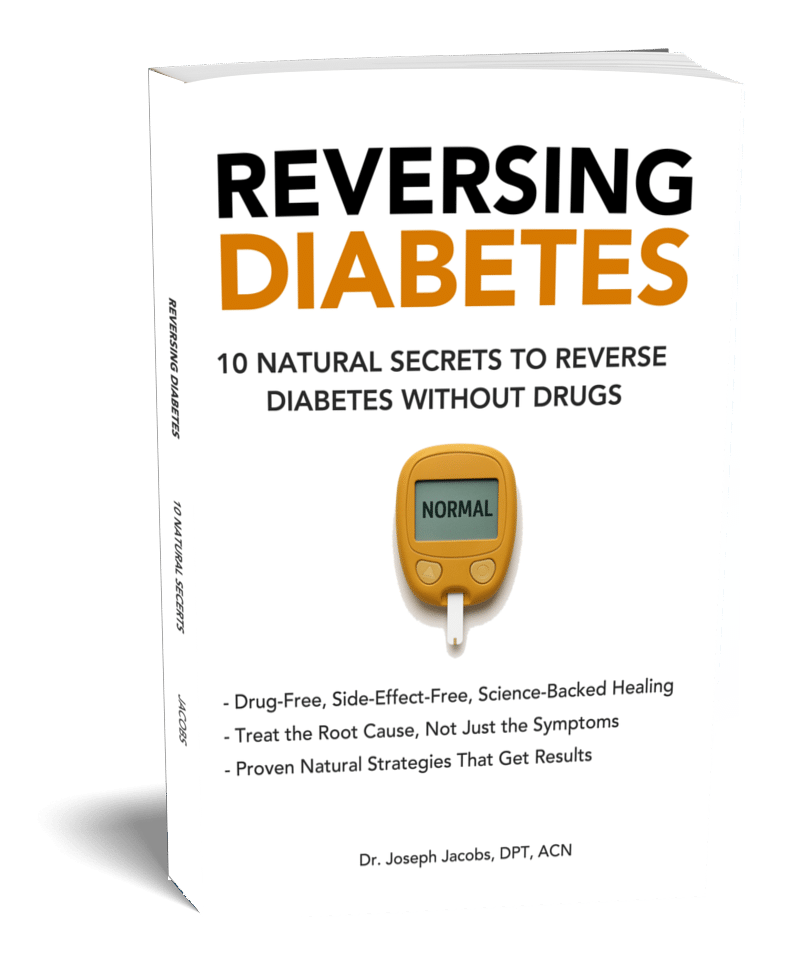
reversing diabetes book cover dr jacobs

Dr Joseph Jacobs, DPT
A science-backed roadmap to address blood sugar dysfunction before it becomes irreversible disease
Despite the scale of the problem, many people receive little education beyond medication and vague advice to “eat better” and “exercise more.”
Dr. Joseph Jacobs, DPT, ACN, clinician, patient advocate, and author of the newly released book Reversing Diabetes: 10 Natural Secrets to Improve Blood Sugar and Protect Metabolic Health, is calling attention to a system that often reacts too late to blood sugar dysfunction.
“Diabetes does not appear overnight,” says Dr. Jacobs. “It develops quietly over years as inflammation, hormonal disruption, stress chemistry, poor sleep, environmental toxins, and daily habits push the body toward insulin resistance. If people understand those drivers early, they can often change the trajectory before permanent damage occurs.”
His book presents ten evidence-based categories that influence blood sugar regulation. Each chapter is written for real people who are busy, overwhelmed, and confused by conflicting information. Scientific studies are referenced throughout, but the language remains clear and practical, allowing readers to understand both the why and the how behind metabolic health.
1. Food-Induced Blood Sugar Dysfunction
The first chapter addresses the role of food quality, not just calories or carbohydrates. Ultra-processed foods, refined sugars, industrial seed oils, and frequent snacking can drive repeated glucose spikes throughout the day. Over time, this constant demand for insulin causes cells to become less responsive, leaving glucose trapped in the bloodstream.
Dr. Jacobs explains how chronic inflammation, mineral imbalance, and poor fat quality stiffen blood vessels and impair insulin signaling. Rather than extreme restriction, the book focuses on stabilizing blood sugar through whole foods, adequate protein, fiber, and natural mineral balance.
“This is not about starving yourself or chasing trends,” says Dr. Jacobs. “It is about stopping foods that quietly train your body to malfunction.”
2. Drug-Induced Blood Sugar Elevation
Many people are never told that certain medications can raise blood sugar or worsen insulin resistance. Steroids, some antidepressants, antipsychotics, blood pressure medications, hormonal therapies, and even commonly used over-the-counter drugs can influence glucose regulation.
This chapter teaches readers how to recognize patterns such as sudden blood sugar changes after medication adjustments, unexplained weight gain, or worsening fatigue. Dr. Jacobs emphasizes that patients should never stop prescriptions on their own. Instead, the book provides guidance on how to ask informed questions and collaborate safely with healthcare providers. “Medication can save lives,” he says. “But people deserve transparency about side effects that affect their long-term health.”
3. Medicinal Teas and Botanical Support
Research suggests that certain botanicals may support blood sugar regulation when used appropriately. This chapter reviews studies on teas and plant compounds such as cinnamon, green tea, and berberine-containing herbs, which have been associated with improved insulin sensitivity in some populations. Dr. Jacobs treats these tools with caution and clarity. He explains who may benefit, how to use them safely, and when blood sugar levels are already too high to experiment without medical supervision. “Teas are not cures,” he says. “They are supportive tools. And timing matters.”
4. Vitamin, Mineral, and Hormonal Imbalances
Blood sugar control depends on more than food. Magnesium deficiency, low potassium, chromium imbalance, thyroid dysfunction, cortisol overload, and chronic stress chemistry all interfere with insulin signaling. This chapter helps readers identify subtle warning signs such as afternoon crashes, cravings, abdominal weight gain, fluid retention, morning headaches, and wired-but-exhausted energy. Instead of guessing with supplements, readers are encouraged to bring symptom patterns and questions to qualified clinicians for proper evaluation.
“Random supplementation can be dangerous,” Dr. Jacobs explains. “Guided correction is where real healing happens.”
5. Exercise and Insulin Sensitivity
Movement plays a powerful role in metabolic health. Muscle contraction allows glucose to enter cells without requiring as much insulin, improving blood sugar control naturally. Rather than promoting extreme workouts, the book emphasizes consistency and sustainability. Short, regular movement sessions are shown to have meaningful effects on insulin sensitivity, circulation, and overall metabolic flexibility.
“You do not need to become an athlete,” says Dr. Jacobs. “You need movement your body can trust.”
6. Stress and the Nervous System
Chronic stress keeps blood sugar elevated through constant cortisol release. Mental overload, poor boundaries, financial pressure, digital overstimulation, and unresolved trauma all push the nervous system into a persistent fight-or-flight state. This chapter explains how stress chemistry alone can raise blood sugar, even in people eating well. Practical nervous system down-regulation strategies are introduced, including breathing techniques, recovery windows, and daily stress release practices. “Blood sugar is not just about food,” Dr. Jacobs says. “It is about the environment your nervous system lives in.”
7. Environmental Toxins and Metabolic Health
Emerging research links endocrine-disrupting chemicals, plastics, pesticides, air pollution, and fragranced consumer products to insulin resistance and metabolic dysfunction. These substances can interfere with hormone signaling and glucose regulation at the cellular level.
This chapter explains how environmental exposure accumulates over time and why metabolic disorders are rising even among people who believe they are living healthy lifestyles. Practical strategies for reducing exposure are presented without fear-based messaging.
“This is not about perfection,” says Dr. Jacobs. “It is about awareness and realistic reduction.”
8. Sleep and Circadian Rhythm
Sleep deprivation directly impairs insulin sensitivity and alters appetite hormones, increasing cravings and blood sugar the following day. Even one poor night of sleep can worsen glucose control. The book explains why restoring sleep rhythm is one of the most powerful and overlooked interventions for metabolic health. Readers learn how light exposure, screen use, timing of meals, and stress affect circadian biology.
“You cannot out-diet poor sleep,” Dr. Jacobs notes.
9. Fasting and Metabolic Flexibility
When done appropriately and under guidance, fasting may improve insulin sensitivity and metabolic flexibility. This chapter clarifies who may benefit, who should avoid fasting, and why aggressive fasting can be dangerous for individuals with unstable blood sugar.
Dr. Jacobs emphasizes individualized care and medical oversight, particularly for people already diagnosed with diabetes or taking glucose-lowering medications. “Fasting is a tool,” he says.
10. Behavioral Modification and Early Action
The final chapter focuses on long-term safety and prevention. Readers learn how to track home blood sugar readings, identify triggers such as poor sleep or high-stress days, and recognize when numbers signal danger. Extremely high readings are not a “try another strategy” moment. They are a “call your clinician now” moment. Knowing when to act can prevent irreversible complications.
“Waiting is how people lose their eyesight, their kidneys, and their independence,” Dr. Jacobs says.
Why media outlets should book Dr. Jacobs now
• More than one third of American adults have diabetes or prediabetes
• Blood sugar disorders often progress silently until permanent damage occurs
• He speaks in plain language while grounding his message in scientific evidence
• Viewers receive practical, actionable guidance they can start immediately
• This is prevention-focused, not fear-driven
• The story is empowerment before crisis, not management after damage
“My message is simple,” says Dr. Jacobs. “You do not have to wait for complications. You can protect your metabolism, your nerves, your heart, and your future starting now, safely, step by step, and with proper support.”
For interview and expert commentary requests with Dr. Joseph Jacobs on blood sugar regulation, prediabetes, medication-related glucose spikes, metabolic health, environmental contributors to diabetes, and practical prevention strategies for families, workplaces, and communities, outreach is open.
Dr. Joseph Jacobs, DPT
ASTR Institute
+1 949-236-6862
email us here
Visit us on social media:
LinkedIn
Instagram
Facebook
YouTube
TikTok
X
Reversing Diabetes 10 Natural Secrets to Reverse Diabetes Without Drugs book by Dr. Jacobs
Legal Disclaimer:
EIN Presswire provides this news content "as is" without warranty of any kind. We do not accept any responsibility or liability for the accuracy, content, images, videos, licenses, completeness, legality, or reliability of the information contained in this article. If you have any complaints or copyright issues related to this article, kindly contact the author above.
